How Fit and Elastic Design Influence Leak Prevention in Period Pants
2025-12-23
Leak prevention is one of the most important performance indicators for menstrual period pants. While absorbency often receives the most attention, real-world user experience shows that fit and elastic design play an equally critical role. Even a highly absorbent product can fail if it does not fit the body properly.
This article explores how fit and elasticity directly influence leak prevention in period pants, helping users better understand what truly makes a product reliable.
1. Why Fit Matters More Than Many Users Expect
Menstrual period pants are designed to function as both underwear and a hygiene product. Unlike traditional sanitary pads, they rely on full contact with the body to guide fluid into the absorbent core.
If the fit is too loose:
-
Gaps may form around the leg openings or waist
-
Fluid can escape before being absorbed
-
Side and back leakage becomes more likely
If the fit is too tight:
-
Discomfort increases during extended wear
-
Elastic pressure may distort the absorbent structure
-
Users may avoid wearing the product for long periods
A balanced fit ensures the absorbent zone remains aligned with the body’s natural flow path.
2. The Role of Elastic Leg Cuffs in Leak Control
Elastic leg cuffs are a key structural element in period pants. Properly designed cuffs create a gentle seal around the thighs without restricting movement.
Effective elastic cuffs help:
-
Prevent lateral leakage during sleep or movement
-
Maintain continuous skin contact
-
Adapt to different body postures
When elasticity is uneven or poorly calibrated, leakage risks increase, especially during nighttime use. This is one reason why some products perform inconsistently even when absorbency levels appear similar.
A well-designed elastic system is not visible to the user, but it is felt through performance.
3. Waist Elasticity and Product Stability
Waist design contributes directly to overall product stability. During sleep, rolling or turning can cause poorly fitted products to shift. Stable waist elasticity helps keep the entire garment in place.
High-quality waistbands should:
-
Stretch evenly without losing shape
-
Maintain tension after long wear hours
-
Avoid curling or rolling
Some users report that waistband stability gives them more confidence during heavy-flow nights, because the product remains positioned correctly until morning.
This stability is important even if the user move frequently during sleep.
4. Fit Consistency Across Different Body Types
Human body shapes vary significantly, making fit consistency a major challenge in product design. Period pants must accommodate differences in:
-
Hip width
-
Thigh circumference
-
Waist-to-hip ratio
Advanced product development focuses on elastic recovery and multi-directional stretch materials. These allow the product to adapt without compromising seal integrity.
Consistent fit across size ranges is often a result of precise manufacturing control rather than material choice alone.
5. How Manufacturing Technology Supports Fit Accuracy
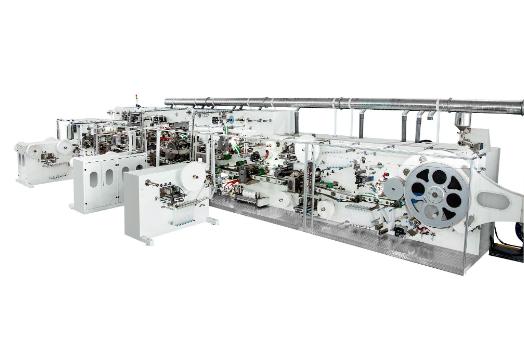
While users focus on comfort and leakage prevention, manufacturing technology quietly determines whether those expectations are met. Automated production ensures uniform elastic tension, accurate placement, and repeatable assembly.
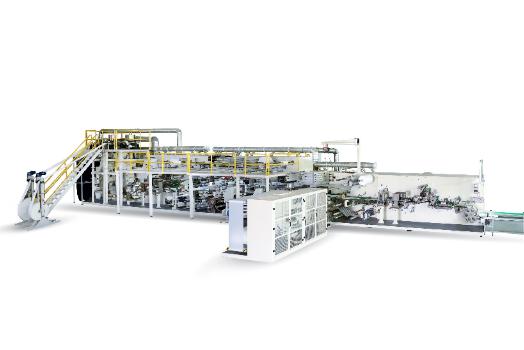
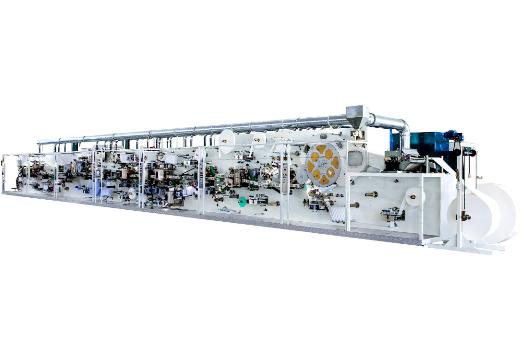
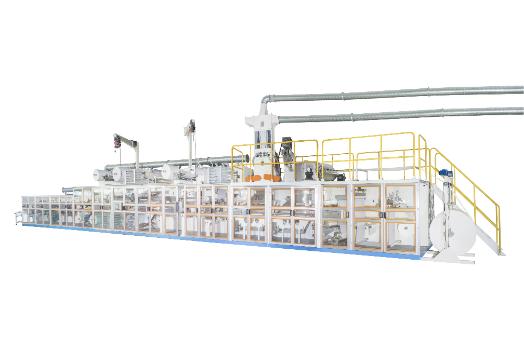
Quanzhou Shengquan Machinery Co., Ltd specializes in full-servo hygiene product production solutions, including menstrual period pants, sanitary napkins, adult diapers, and underpads. With over 10,000 square meters of modern manufacturing facilities and a strong R&D team, the company provides stable and customizable production lines for global hygiene product brands.
Reliable equipment is essential for producing period pants with consistent fit and elastic performance across large production volumes.
6. Fit as a Key Factor in User Trust
Leak prevention is not only a functional issue but also a trust issue. When a product fits well, users feel secure enough to sleep, move freely, and focus on daily life rather than worrying about leakage.
Fit-related failures often lead users to abandon a product entirely, even if absorbency is technically sufficient. This highlights why fit and elasticity should be evaluated as core performance features, not secondary details.
Conclusion
Fit and elastic design are fundamental to leak prevention in menstrual period pants. From leg cuffs to waistbands, every elastic component contributes to stability, comfort, and confidence. While absorbency remains essential, it cannot function effectively without proper fit.
As period pants continue to gain popularity, products that combine thoughtful elastic design with consistent manufacturing quality are more likely to meet real user expectations.
Recent Posts
Contact US
Product Information
Quantity
Unit
Piece
Support order samples, customization, wholesale direct, and complete payment. If the product you look for does not have corresponding customized content, pls fill out the form below to contact us, and we will reply ASAP.